An entry on my ASI wishlist
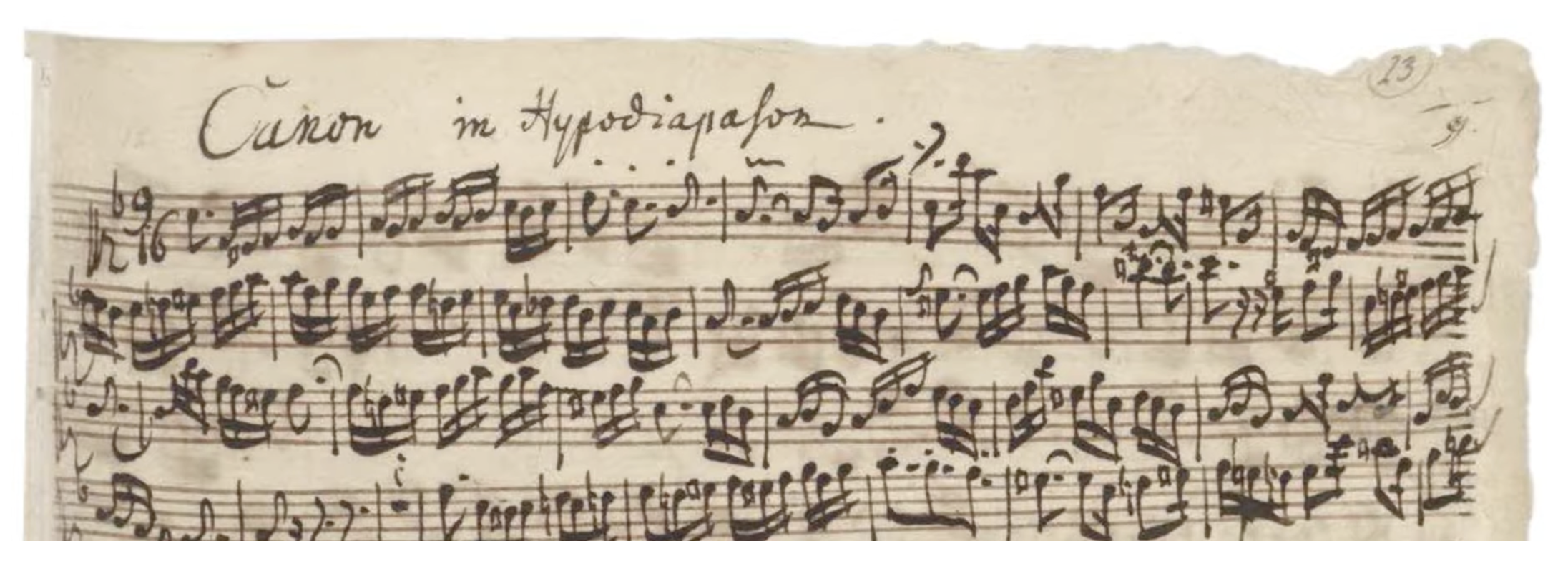
I want to write a meta-cryptic poem. Each line of the poem is a cryptic clue. The answers to each cryptic clue then form, in themselves, a cryptic clue (call it the meta-riddle), which then clues for a final word (call it the final answer).
Now, I understand this is an excessively difficult poem to read and write. Cryptic surfaces are hard to maintain — wasted words are not allowed, so cryptic surfaces usually sound at best terse1 and at worst, somewhat nonsensical.2 Let alone writing poems that read sensibly.
The poem should also maintain musicality. Ideally it follows some trochaic meter.3
The meta-riddle should cohere with the poem and the final answer. The poem then becomes a poem in three layers, each of which advances the theme.4
The central difficulty of this poem, apart from technical calibration, is that it can easily veer into pretension. What final answer can bear the weight of a labourious reader's expectation, who, having invested their time in reaching it, expects a moment of revelation? Borges had that magic: he was erudite, esoteric, a little metaphysical and yet somehow his thought was not crowded out by his knowledge.
The story goes that shortly before or after his death, when he found himself in the presence of God, he said: "I who have been so many men in vain want to be one man only, myself." The voice of God answered him out of a whirlwind: "Neither am I what I am. I dreamed the world the way you dreamt your plays, dear Shakespeare. You are one of the shapes of my dreams: like me, you are everything and nothing." —Jorge Luis Borges, "Everything and Nothing"
I came up with a few ideas for the final answer, but I'm not particularly impressed with any of them: "silence" is a meta-reference, but it's a bit pretentious for my taste, "LoL" feels too mean, almost like a prank, and "you" is trying too hard to be clever-but-not-trying-that-hard. I think the best candidates should feel inevitable, humble, revelatory, and reveal something more about the poem.
This is a poem I may not get the chance to write,5 unless I live for a very very long time.
If I see an AI write this poem tastefully, I will feel, as viscerally as ever before, that we have created a species of rational being6 capable of majesty. I would be at once delighted and a little terrified. I'll probably memorize the poem.
I hope to read this poem one day. Who knows, I might write it before ASI.
1 Point of view captured in Sartrean glee (5)
2 On the record, zero bond (4)
3 E.g. the trochaic octameter "Once upon a midnight dreary, while I pondered, weak and weary" from Edgar Allan Poe's "The Raven". Trochaic over iambic mostly because the stress-unstressed trochee feels like a breath that doesn't quite end, just like a poem that births yet another poem.
4 One thought I have is Inferno → Purgatorio → Paradiso, if we want to go the Renaissance grandeur route.
5 Though I've tried my hand at writing poetic cryptic clues: Spartans feast without Greek children; the seed of it all was perhaps named Cypress. (10) Seasoned solvers and frontier models haven't been able to solve it without a good hint, but I believe with some knowledge of Greek this is a reasonably fair clue, so please email me at jojiao@uchicago.edu if you do solve it.